Ms. Ioanna Papageorgiou, Associate Professor in the Department of Theatre Studies at the University of Patras, will speak about the life and work of the honoree.
The musical part of the tribute will be curated by Ms. Angeliki Kordellou, Special Academic Staff member in the Department of Theatre Studies at the University of Patras.
--------
HERO HANTA
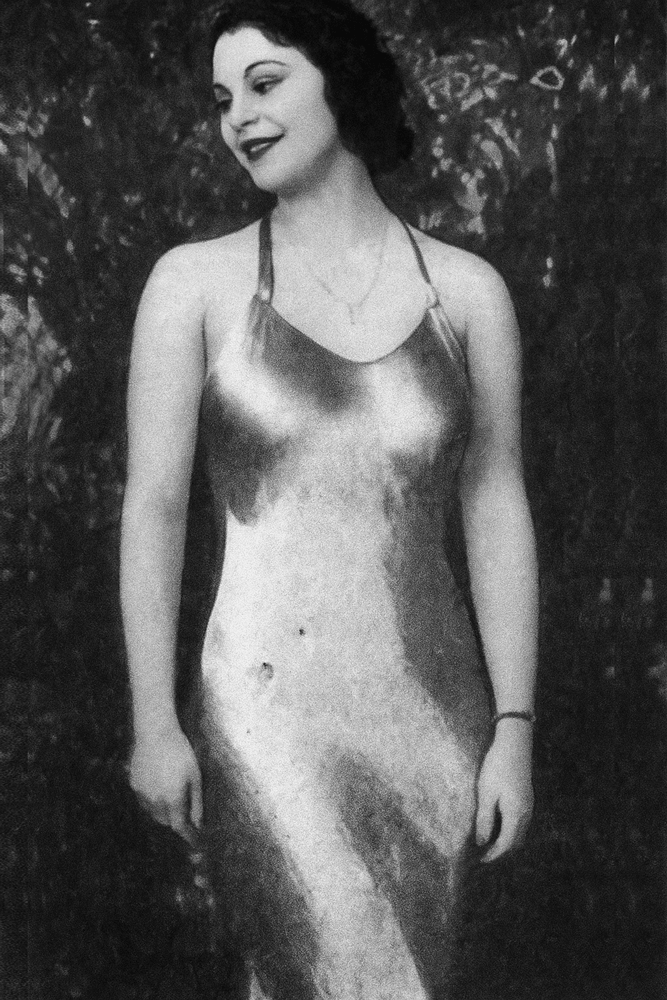
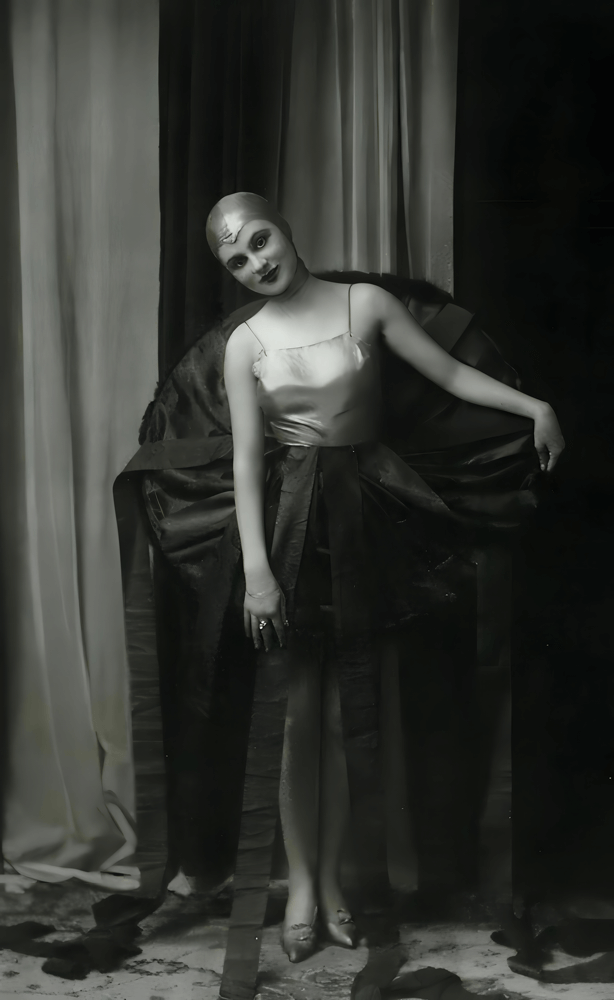
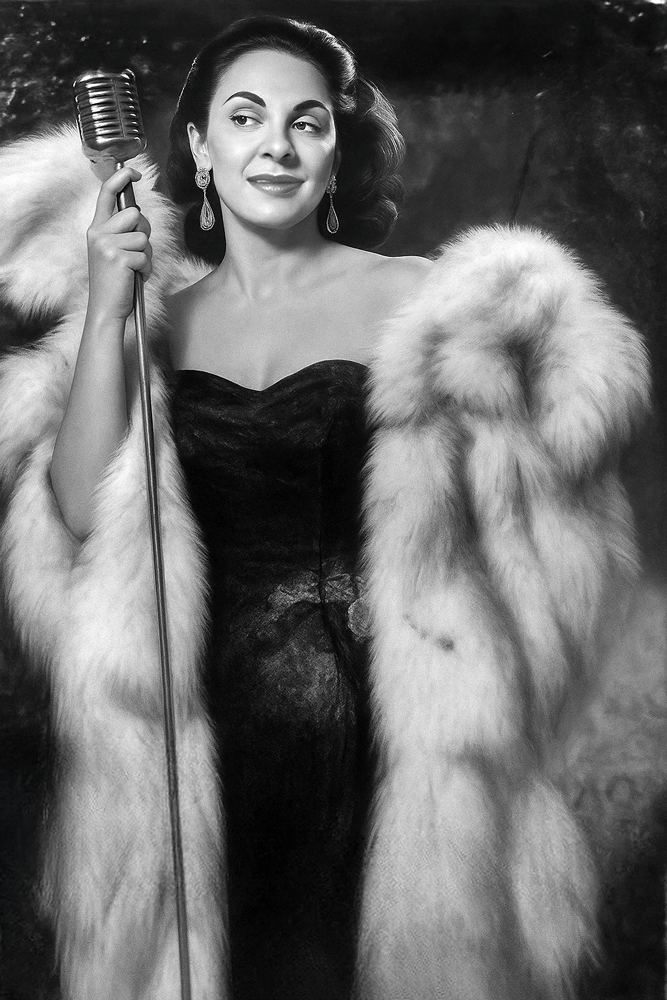
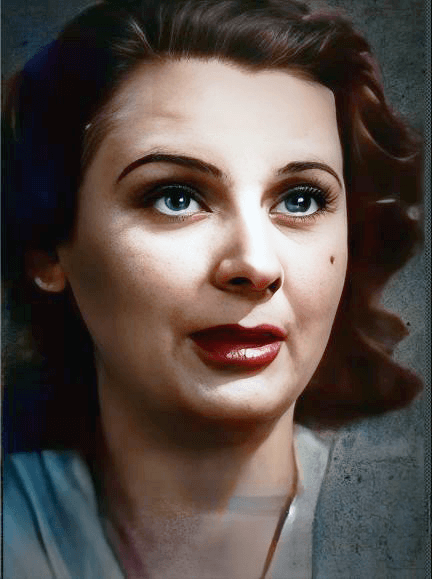
Hero Hanta was born in Athens in 1911 and passed away in 1995.
She was a distinguished actress and singer of musical theatre. She was the daughter of actors Spyros and Kaiti Varda-Hanta, and for many years her popularity was exceptionally high as a leading actress and theatre company owner.
She made her first appearance at the age of 13 in the revue Protevousiana (The City Girl) by Emilios Dragatsis, Antonis Vottis, and Grigoris Konstantinidis, which was staged at the “Kentrikon” Theatre by the Alekos Gonidis troupe (1924). The following year, she performed with Marika Kotopouli’s company in Dario Niccodemi’s The Rag (Il Tappeto, 1925). With the same troupe, she also appeared in William Shakespeare’s Richard III (1925).
In 1928 she moved into musical theatre, achieving great success as a leading performer in operettas and revues. Her first appearance in operetta took place at the Papaioannou Theatre, co-starring with Ioannis Papaioannou himself, in Franz Lehár’s Frasquita. She remained with the same company for five years, performing in operettas by both Greek and foreign composers: Secret Romance and Blonde, Brunette by Theofrastos Sakellaridis, The Woman with the Gums by Michael Krausz, Isaiah, Dance! by Stathis Mastoras, among others.
In 1932 she starred in Christos Chairopoulos’s great hit Women… Women…, which also became one of her personal triumphs. With her own company and co-star Paraskevas Oikonomou, she presented a series of musical works at the Central Theatre (1934–36). With the same partner she had earlier played Mirka in The Boatman of the Volga by Spyros Potamianos and Andreas Mastrekini.
In 1936 she paused her stage career for a year to study operetta at the Theater an der Wien in Vienna.
In 1938, in Alexandria, Egypt, she achieved major acclaim portraying Golfo in the operetta of the same name by Georgios Vitalis (music) and Orestis Laskos (libretto).
The performances were repeated in Greece, the most notable being those at the Mondial Theater in Nazi-occupied Athens in 1944, which were broadcast live on the radio for the first time, with the permission of the Germans. Frosso Kokola performed the song: “This summer the branches will bloom, and the swallows will return…,” and as the audience grasped the hidden message in the lyrics, they burst into applause. As a result, the Germans stopped the performance and arrested the members of the troupe, among them Hero Hanta, who was taken to and interrogated at the Kommandantur.
In 1946 she appeared as co-manager of the Apollo Theatre with Kouli Stoligas and Lela Skordouli, under the artistic direction of Nikos Miliadis, singing in the operettas Dance of Fortune by Robert Stolz, and I Want to See Him and Girls’ Mistakes by Theofrastos Sakellaridis.
Her final operetta appearance took place in 1949 at the Gloria Theatre, in Sakellaridis’s Sweet Nana.
During her career she toured extensively abroad — in England, France, and Africa — and frequently gave performances and light-music recitals for Greek communities of the diaspora.
In her youth she also wrote short stories published in the newspapers Akropolis, Empros, and others.
She appeared in the films Double Sacrifice (1945) and At the Threshold of Sin (1961), and in the stage productions Laugh Without Veto (1947), Laugh American-Style (1948), and Derbenterissa (1948).
Finally, it should be noted that Hero Hanta took part in the Greek National Resistance during the German Occupation and was repeatedly persecuted for her left-wing beliefs.
She retired from artistic life in 1954.